GLP-1s: Beyond Weight Loss – Comprehensive Metabolic Health Benefits for 2026
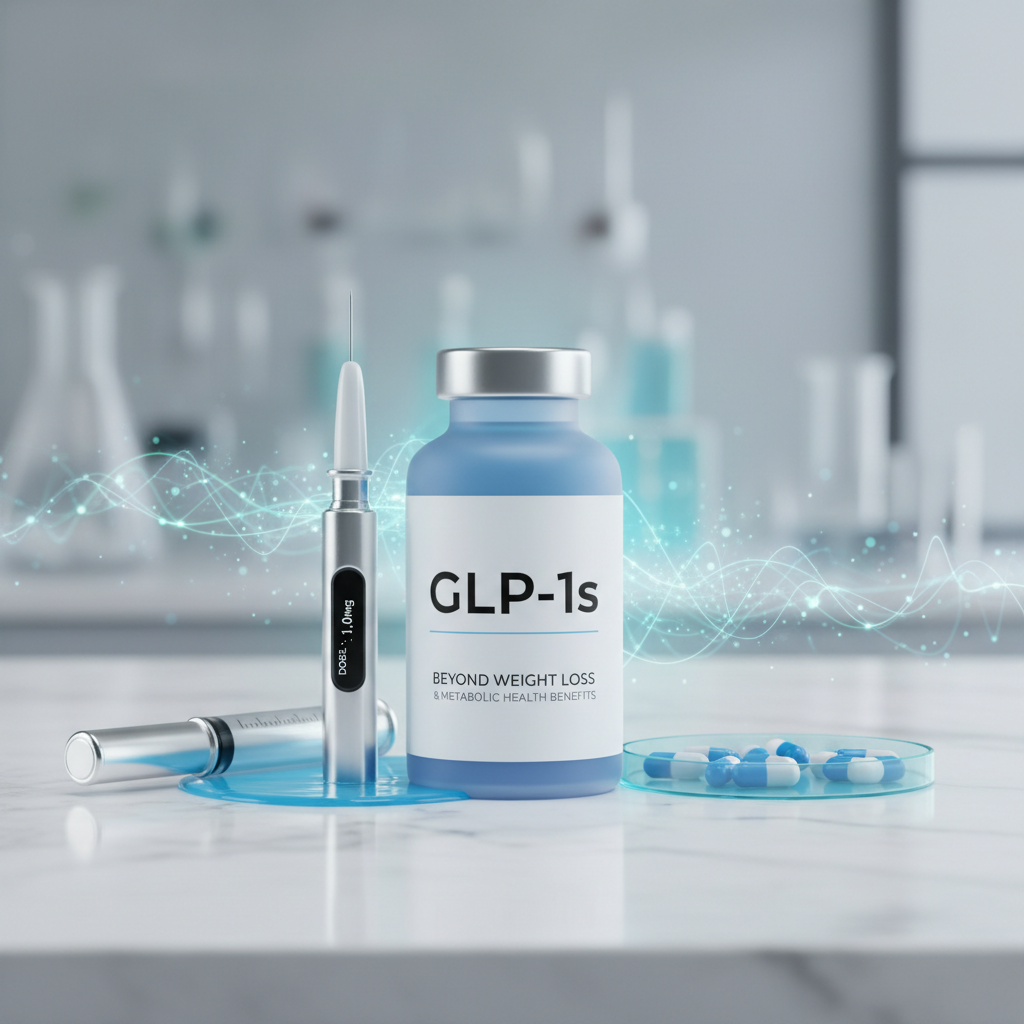
When discussing GLP-1 medications, weight loss often takes center stage. While their efficacy in helping individuals achieve and maintain a healthy weight is undeniable, the benefits of GLP-1s extend far beyond the number on the scale. These innovative treatments, including popular options like Ozempic (Semaglutide), are increasingly recognized for their significant positive impact on various metabolic health markers, offering a comprehensive approach to well-being in 2026 and beyond.
Disclaimer: This information is for educational purposes only and does not constitute medical advice. Always consult with a qualified healthcare provider before starting any new treatment or making changes to your current medical regimen. Telehealth services can provide convenient access to consultations.
Understanding GLP-1s and Comprehensive Metabolic Health in 2026
Glucagon-like peptide-1 (GLP-1) receptor agonists are a class of medications that mimic a natural hormone in your body. This hormone plays a crucial role in regulating blood sugar, appetite, and digestion. By activating GLP-1 receptors, these medications help improve metabolic function in multiple ways, leading to significant improvements in key health indicators. Their mechanism of action positions them as a cornerstone in modern metabolic disease management, particularly as telehealth expands access to these treatments.
How GLP-1s Work Beyond Weight Loss
- Insulin Secretion: GLP-1s stimulate insulin release when blood sugar levels are high, helping to lower glucose effectively and prevent hyperglycemia. This is crucial for managing conditions like type 2 diabetes.
- Glucagon Suppression: They also reduce glucagon secretion, a hormone that raises blood sugar, further contributing to better glucose control and stability. This dual action on insulin and glucagon provides robust blood sugar regulation.
- Gastric Emptying: By slowing down gastric emptying, GLP-1s promote a feeling of fullness, which can aid in weight management and prevent rapid spikes in blood sugar after meals. This also helps reduce overall caloric intake, complementing treatments like Epitomee Capsules for weight management.
- Appetite Regulation: GLP-1s act on the brain to reduce appetite and food cravings, leading to a sustained reduction in calorie consumption. This neurobiological effect is a key driver of their weight loss benefits.
Significant Improvements in Metabolic Markers with GLP-1 Therapy
The comprehensive action of GLP-1s leads to measurable improvements in several critical metabolic health markers, making them a powerful tool in managing and preventing chronic diseases. These benefits are particularly important for individuals with or at risk of metabolic syndrome, type 2 diabetes, and cardiovascular disease.
Blood Sugar Control (A1C Reduction)
For individuals with type 2 diabetes, GLP-1s are highly effective in lowering A1C levels, a key indicator of long-term blood sugar control. By enhancing insulin secretion and suppressing glucagon, these medications help maintain stable blood glucose, reducing the risk of diabetes-related complications. This proactive management is vital for overall metabolic health.
Blood Pressure Management
Studies have shown that GLP-1 receptor agonists can lead to significant reductions in both systolic and diastolic blood pressure. This effect is partly due to weight loss, but also involves direct mechanisms such as improved endothelial function and natriuresis (increased sodium excretion). Managing blood pressure is crucial for preventing heart disease and stroke.
Cholesterol and Lipid Profile Improvements
GLP-1s can positively influence lipid profiles, leading to reductions in triglycerides and improvements in HDL (good cholesterol) levels. While the impact on LDL (bad cholesterol) can vary, the overall improvement in cardiovascular risk factors is substantial. This contributes to a healthier heart and circulatory system.
Cardiovascular Health Protection
Perhaps one of the most groundbreaking benefits of GLP-1s is their proven cardiovascular protective effects. Clinical trials have demonstrated that these medications can significantly reduce the risk of major adverse cardiovascular events (MACE) such as heart attack, stroke, and cardiovascular death in individuals with type 2 diabetes and established cardiovascular disease. This makes them a critical component of a holistic treatment plan.
Kidney Protection
Emerging research indicates that GLP-1s may also offer renoprotective benefits, slowing the progression of chronic kidney disease in individuals with type 2 diabetes. This protective effect adds another layer of comprehensive health improvement.
Telehealth and Access to GLP-1 Treatments
The rise of telehealth platforms has significantly expanded access to GLP-1 medications and comprehensive metabolic health management. Through convenient online consultations, patients can connect with healthcare providers to discuss their health goals, determine if GLP-1s like Ozempic or Semaglutide are appropriate for them, and receive ongoing support. This removes geographical barriers and makes personalized care more accessible than ever, facilitating prescription renewal and continuous monitoring.
Beyond GLP-1s, telehealth also offers access to other vital treatments for related health concerns. For example, men experiencing low testosterone can explore Testosterone Therapy for Men with options like Androforte, while women might consider Testosterone Therapy for Women, including Androfeme. Similarly, individuals dealing with hair loss can consult for JAK Inhibitors for Alopecia, such as Xeljanz (Tofacitinib), or explore Minoxidil and general hair loss treatments. Even sensitive topics like ED treatment are now discreetly accessible via telehealth, ensuring holistic well-being.
The Future of Metabolic Health with GLP-1s in 2026
As we look towards 2026 and beyond, GLP-1 medications are poised to play an even more central role in metabolic health. Ongoing research continues to uncover new benefits and refine treatment strategies, leading to even more personalized and effective care. The integration of these powerful drugs with accessible telehealth services represents a paradigm shift, moving from reactive disease management to proactive, comprehensive health optimization.
Embracing GLP-1 therapy, alongside lifestyle modifications and regular medical guidance, offers a path to not just managing chronic conditions, but truly enhancing overall well-being and longevity. If you are considering GLP-1s or wish to explore their benefits, a consultation with a qualified telehealth provider can help you understand if this innovative treatment is right for your metabolic health journey.
Frequently Asked Questions About GLP-1s and Metabolic Health
What are GLP-1 medications and how do they work?
GLP-1 (Glucagon-like peptide-1) receptor agonists are a class of medications that mimic a natural hormone in your body. They work by stimulating insulin release when blood sugar is high, suppressing glucagon, slowing gastric emptying, and reducing appetite. This multi-faceted action helps improve blood sugar control, promote weight loss, and offer significant cardiovascular benefits.
Do GLP-1s only help with weight loss?
While GLP-1s are highly effective for weight management, their benefits extend far beyond. They significantly improve various metabolic markers, including blood sugar (A1C), blood pressure, and cholesterol levels. They also offer proven cardiovascular protection and emerging kidney protective effects, making them a comprehensive metabolic health treatment.
Who can benefit from GLP-1 therapy?
GLP-1 therapy can benefit individuals with type 2 diabetes, those with obesity or overweight and related comorbidities, and individuals at high risk for cardiovascular disease. It's crucial to consult with a healthcare provider through a telehealth platform or in-person to determine if GLP-1s are appropriate for your specific health needs and goals.
Can I get GLP-1 prescriptions through telehealth?
Yes, many telehealth platforms offer consultations with qualified healthcare providers who can assess your eligibility for GLP-1 medications like Ozempic (Semaglutide). If deemed appropriate, they can issue prescriptions and provide ongoing support and monitoring, making access to these treatments convenient and accessible.
Are there side effects associated with GLP-1 medications?
Like all medications, GLP-1s can have side effects. Common side effects often include gastrointestinal issues such as nausea, vomiting, diarrhea, or constipation, especially when starting treatment or increasing dosage. These usually subside over time. Serious side effects are rare. Your healthcare provider will discuss potential side effects and how to manage them during your consultation.
Ready to start Ozempic (Semaglutide) for Weight Loss?
Get a personalized consultation for Ozempic (Semaglutide) for Weight Loss from licensed healthcare providers — all online.
Start Your Consultation