GLP-1 Revolution: From Diabetes to Weight Loss & Beyond
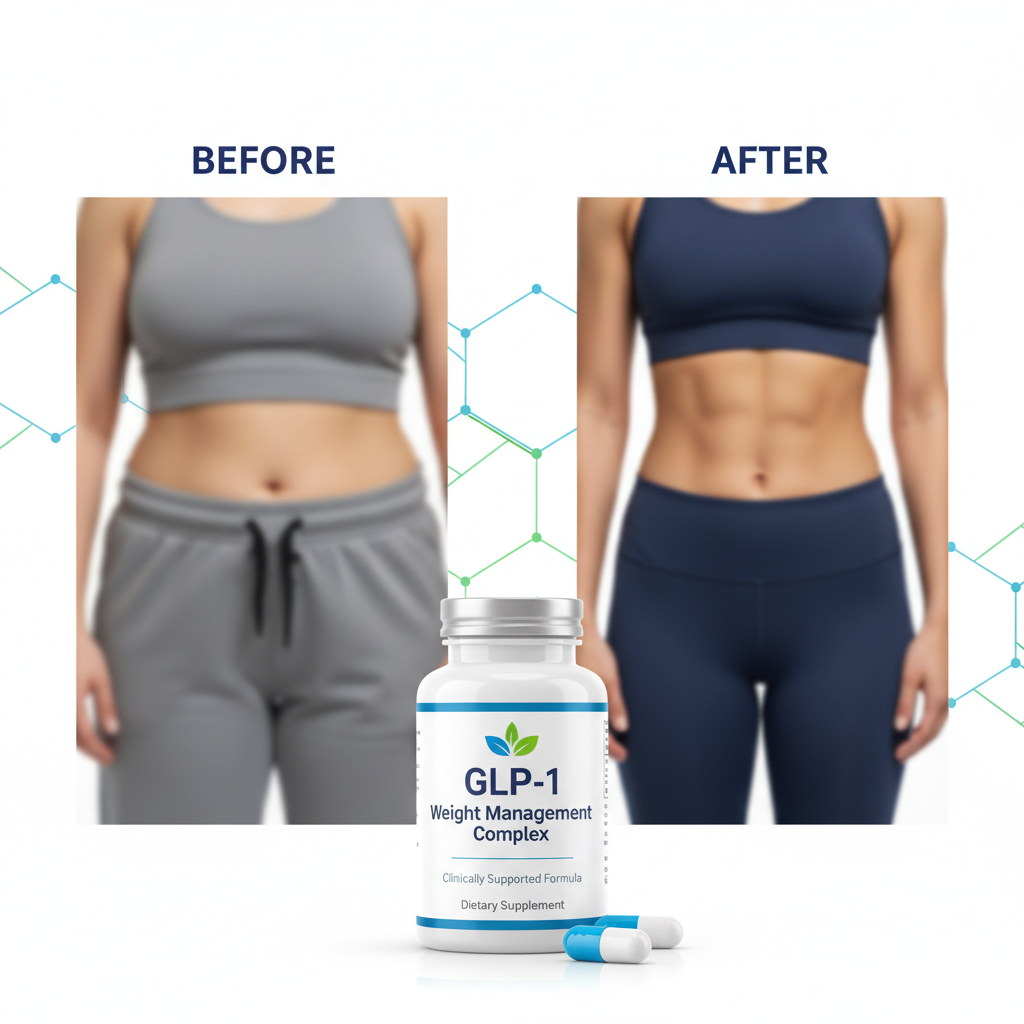
The GLP-1 Revolution: From Diabetes Medicine to Weight Loss and Beyond
For decades, the medical community has sought effective, sustainable solutions for chronic conditions like type 2 diabetes and obesity. While significant strides have been made, a truly revolutionary breakthrough often feels just out of reach. Until now. Enter GLP-1 receptor agonists – a class of medications that began their journey as a treatment for diabetes but have since sparked a revolution, demonstrating remarkable efficacy in weight loss and hinting at even broader health benefits.
The story of GLP-1s is one of scientific discovery, unexpected outcomes, and ultimately, hope for millions. What started as a way to manage blood sugar has transformed into a powerful tool in the fight against obesity, reshaping our understanding of metabolic health and offering new pathways to improved well-being. This blog post will delve into the science behind GLP-1s, their evolution from diabetes treatment to weight loss powerhouse, and the exciting potential they hold for the future of health.
Disclaimer: The information provided in this blog post is for educational purposes only and should not be considered medical advice. Always consult with a qualified healthcare provider before making any decisions about your health or treatment plan. Telemedicine services can connect you with licensed professionals who can assess your individual needs.
Understanding GLP-1: The Science Behind the Breakthrough
To appreciate the revolution, we first need to understand the science. GLP-1 stands for Glucagon-Like Peptide-1, a naturally occurring hormone produced in your gut. It plays a crucial role in several bodily functions related to metabolism and digestion.
What is GLP-1 and How Does It Work?
- Insulin Release: When you eat, GLP-1 is released and signals your pancreas to produce more insulin, but only when blood sugar levels are high. This helps lower blood sugar without causing dangerous dips.
- Glucagon Suppression: GLP-1 also inhibits the release of glucagon, another hormone that raises blood sugar. By suppressing glucagon, it further helps to stabilize glucose levels.
- Slowing Gastric Emptying: One of the key mechanisms contributing to its weight loss effects is its ability to slow down the rate at which food leaves your stomach. This leads to a feeling of fullness and satiety for longer periods.
- Appetite Regulation: GLP-1 acts on receptors in the brain, particularly in areas associated with appetite control. This can reduce hunger cravings and overall food intake.
In essence, GLP-1 is a natural regulator of your body's response to food, orchestrating a symphony of actions that help manage blood sugar, control appetite, and promote satiety.
From Diabetes Management to Weight Loss Phenomenon
The initial development of GLP-1 receptor agonists was aimed squarely at type 2 diabetes. Medications like exenatide (Byetta, Bydureon) and liraglutide (Victoza) were approved to help patients manage their blood sugar. However, clinicians and patients soon noticed a significant side effect: weight loss.
The Unexpected Discovery of Weight Loss Benefits
Patients taking GLP-1 medications for diabetes often experienced a reduction in body weight. This wasn't just a minor side effect; for many, it was substantial, leading researchers to investigate GLP-1s specifically for their anti-obesity properties.
- Liraglutide (Saxenda): The first GLP-1 receptor agonist to be approved specifically for chronic weight management in individuals without diabetes.
- Semaglutide (Wegovy, Ozempic): This medication has truly propelled GLP-1s into the spotlight for weight loss. While Ozempic is approved for type 2 diabetes, Wegovy is specifically indicated for chronic weight management and has shown remarkable results in clinical trials, leading to an average weight loss of around 15% of body weight.
- Tirzepatide (Mounjaro, Zepbound): This newer medication is a dual GIP and GLP-1 receptor agonist. It targets two incretin hormones, offering even more potent effects on blood sugar control and weight loss. Zepbound is specifically approved for chronic weight management.
These medications have provided a new paradigm for treating obesity, a chronic disease often misunderstood and undertreated. They offer a pharmacological tool that, when combined with lifestyle changes, can lead to significant and sustainable weight reduction.
How GLP-1s Facilitate Weight Loss
The mechanisms by which GLP-1s promote weight loss are multifaceted:
- Reduced Calorie Intake: By slowing gastric emptying and acting on brain appetite centers, GLP-1s help individuals feel full faster and stay full longer, naturally leading to a reduction in overall calorie consumption.
- Decreased Cravings: Many users report a significant decrease in cravings for unhealthy foods, making it easier to adhere to a healthier diet.
- Improved Satiety: The enhanced feeling of satiety helps prevent overeating and snacking between meals.
These effects collectively contribute to a caloric deficit, which is essential for weight loss, but in a way that feels more natural and less restrictive than traditional dieting for many individuals.
Beyond Weight Loss: The Broader Health Implications
While the weight loss benefits of GLP-1s are a game-changer, their impact extends far beyond shedding pounds. These medications are showing promise in improving a host of comorbidities often associated with obesity and type 2 diabetes.
Metabolic and Cardiovascular Health
- Improved Blood Sugar Control: This remains a primary benefit for individuals with type 2 diabetes, reducing HbA1c levels effectively.
- Reduced Cardiovascular Risk: Several GLP-1 medications have demonstrated cardiovascular benefits, including a reduction in the risk of major adverse cardiovascular events (like heart attack and stroke) in patients with type 2 diabetes and established cardiovascular disease.
- Better Lipid Profiles: Some studies suggest improvements in cholesterol levels.
- Blood Pressure Reduction: Weight loss itself can lower blood pressure, but GLP-1s may have additional direct effects.
Potential Future Applications and Research
The research into GLP-1s is ongoing, and scientists are exploring their potential in other areas:
- Non-alcoholic Fatty Liver Disease (NAFLD): Early research suggests GLP-1s might improve liver health in patients with NAFLD, a condition often linked to obesity and insulin resistance.
- Kidney Disease: Some studies indicate a protective effect on kidney function in diabetic patients.
- Neuroprotection: There's emerging interest in GLP-1s for their potential neuroprotective effects, with research exploring their role in conditions like Alzheimer's and Parkinson's disease, though this is still in very early stages.
- Polycystic Ovary Syndrome (PCOS): Given the link between PCOS, insulin resistance, and weight, GLP-1s are being investigated as a potential treatment option.
The breadth of these potential applications underscores the profound impact this class of medications could have on public health in the coming years.
Navigating the GLP-1 Landscape: What You Need to Know
While GLP-1 medications offer incredible promise, it's crucial to approach them with realistic expectations and under the guidance of a healthcare professional.
Who is a Candidate for GLP-1 Therapy?
GLP-1 receptor agonists are typically prescribed for:
- Individuals with type 2 diabetes who need help controlling blood sugar.
- Individuals with obesity (BMI ≥ 30 kg/m²) or overweight (BMI ≥ 27 kg/m²) with at least one weight-related comorbidity (e.g., high blood pressure, high cholesterol, sleep apnea).
Eligibility is determined by a healthcare provider after a thorough medical evaluation, considering your health history, current medications, and specific health goals.
Common Side Effects and Considerations
Like all medications, GLP-1s can have side effects, most commonly gastrointestinal:
- Nausea
- Vomiting
- Diarrhea
- Constipation
- Abdominal pain
These side effects are often mild to moderate and tend to decrease over time as your body adjusts to the medication. Starting with a low dose and gradually increasing it can help manage these symptoms. More serious, though rare, side effects can include pancreatitis or gallbladder issues.
It's important to discuss all potential side effects and concerns with your doctor. They can help you understand the risks and benefits based on your individual health profile.
The Role of Lifestyle Changes
GLP-1 medications are a powerful tool, but they are most effective when combined with sustained lifestyle changes. This includes:
- Balanced Nutrition: Focusing on whole, unprocessed foods, lean proteins, fruits, vegetables, and healthy fats.
- Regular Physical Activity: Incorporating both cardiovascular exercise and strength training into your routine.
- Behavioral Support: Addressing eating habits, emotional triggers, and developing strategies for long-term adherence.
Think of GLP-1s as a catalyst that makes these healthy habits easier to adopt and maintain, not a magic bullet that negates the need for them.
The Future of Health with Telemedicine and GLP-1s
The rise of GLP-1 medications coincides perfectly with the expansion of telemedicine, creating a powerful synergy for accessible and effective care.
Accessible Care Through Telemedicine
Telemedicine platforms are uniquely positioned to connect individuals with healthcare providers who can assess their suitability for GLP-1 therapy, monitor their progress, and provide ongoing support. This removes geographical barriers and makes expert medical care more convenient, especially for those managing chronic conditions like obesity or diabetes.
Personalized Treatment Plans
Through telemedicine, patients can receive personalized treatment plans that integrate GLP-1 medications with dietary counseling, exercise recommendations, and behavioral therapy, all tailored to their specific needs and circumstances. Regular virtual check-ins ensure that treatment is adjusted as needed and that patients feel supported throughout their journey.
Conclusion: A New Era in Metabolic Health
The GLP-1 revolution marks a significant turning point in the treatment of type 2 diabetes and obesity. What began as a targeted therapy for blood sugar control has blossomed into a transformative force for weight loss and holds immense promise for a broader spectrum of health conditions. These medications are not just about numbers on a scale; they are about improving quality of life, reducing the burden of chronic disease, and offering a renewed sense of hope for individuals striving for better health.
As we continue to learn more about GLP-1s, their role in modern medicine will only expand. Coupled with the accessibility and personalized approach of telemedicine, this new era of metabolic health promises a brighter, healthier future for many.
Ready to explore if GLP-1 therapy is right for you? Our experienced healthcare providers are here to guide you. Contact us today for a confidential consultation and take the first step towards a healthier you.
Ready to start Ozempic (Semaglutide) for Weight Loss?
Get a personalized consultation for Ozempic (Semaglutide) for Weight Loss from licensed healthcare providers — all online.
Start Your Consultation