
Your
PRESCRIPTIONSonline
Start with a quick assessment. A licensed doctor checks your eligibility. Your medication arrives at your home.

Our Treatment Programs

Testosterone Therapy for Women
Low testosterone can affect libido, energy, and mood. Our HRT clinicians offer virtual consults and treatment with AndroFeme®1, a bioidentical cream clinically tested to support hormonal balance and daily vitality.
Start Here
Testosterone Therapy for Men
Our HRT clinicians offer virtual consults and treatment for low testosterone. AndroForte®5 is a bioidentical, pharmaceutical-grade cream designed to support libido, energy, mood, muscle strength, and overall vitality when levels are low.
Start Here
Ozempic (Semaglutide) for Weight Loss
GLP-1 treatments for weight management. Our clinicians offer access to semaglutide for adults with a BMI over 29. Ozempic controls blood sugar in type 2 diabetes and is approved for weight loss, taken once weekly with a prefilled pen.
Start Here
JAK Inhibitors for Alopecia (Hair Loss)
Personalized alopecia care, including JAK inhibitor treatments. Get clinician-guided access to JAK inhibitor therapies that support hair regrowth, including Xeljanz, Xeljanz XR, Olumiant, Unamity, and Rinvoq, when appropriate.
Start Here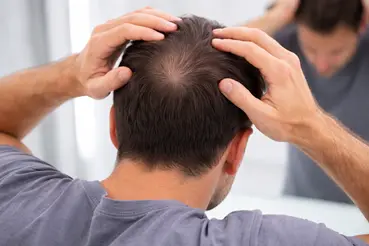
Minoxidil for Hair Loss
Oral minoxidil (Loniten) offers a convenient, effective solution for hair loss. Our licensed physicians can prescribe the appropriate dosage to help you regain thicker, fuller hair.
Start Here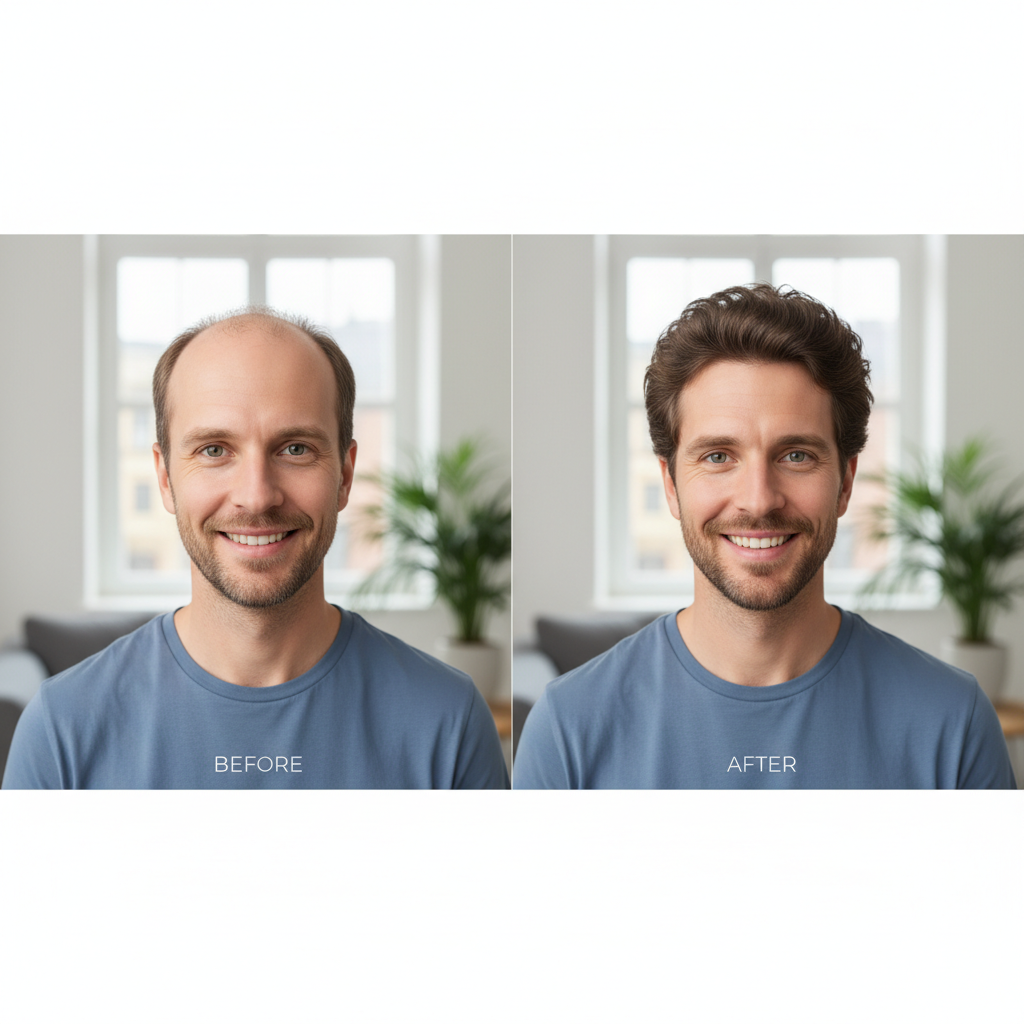
Hair loss
Regain confidence with expert care for hair loss, all from the comfort of your home. Our personalized telehealth plans help you achieve healthier, fuller hair.
Start Here
ED treatment
Regain intimacy and confidence with our discreet, effective telehealth ED treatment, tailored for your convenience.
Start Here
Epitomee Capsules
A non-injectable weight loss capsule. FDA-approved oral alternative to GLP-1 injections for sustainable weight management.
Start Here